From Branding to UX: design in the financial sector

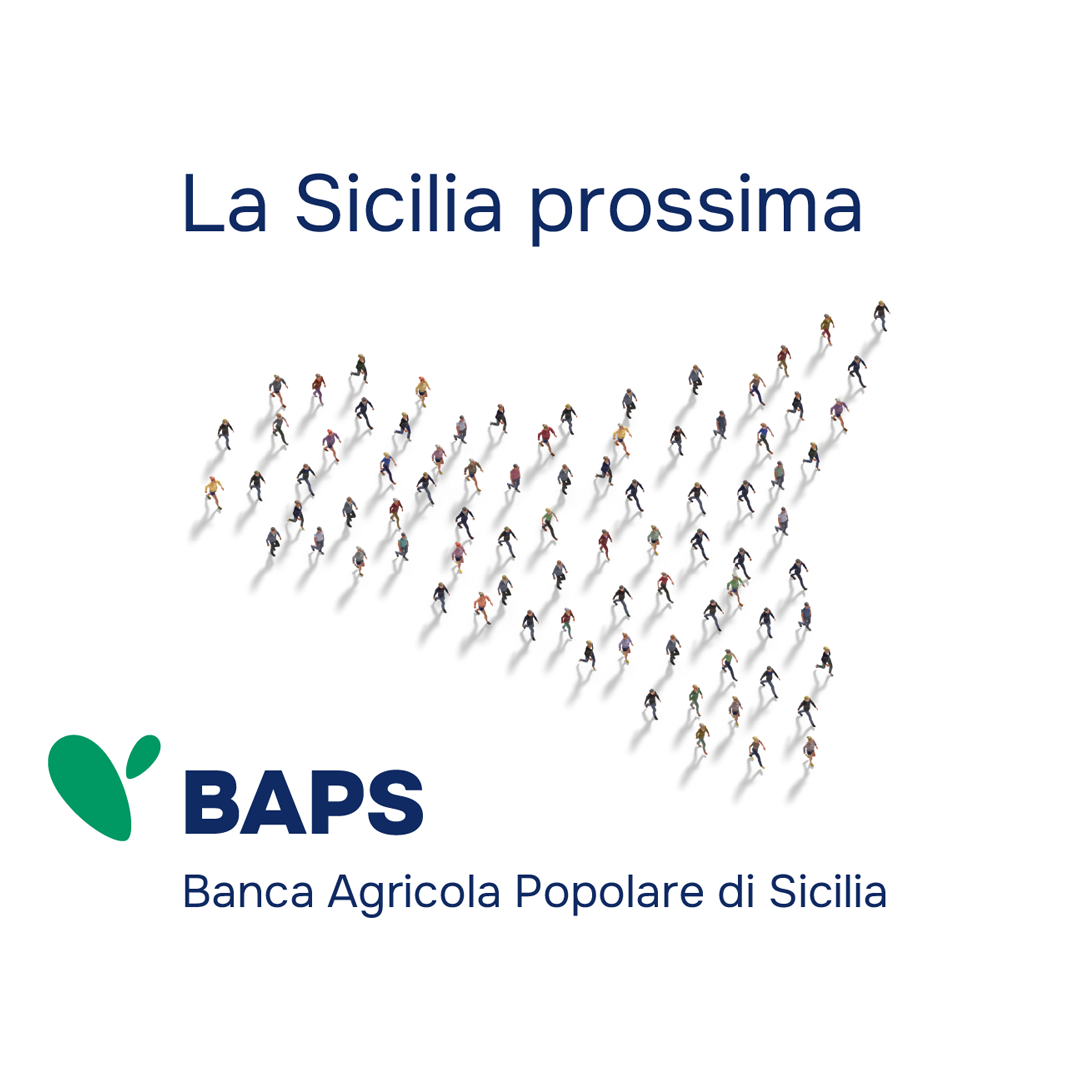
Design and finance are deeply interconnected: every project not only creates value but also strengthens the company’s overall strategy. Mario Suglia explores how, with increasing digitalization, it is possible to communicate the identity of banks and insurance companies in a compelling and effective way—through tools like UX design and storytelling. The goal: to build a customer relationship that is not only more empathetic, but above all, authentic. What is the relationship between finance and design? And how does Inarea approach projects in the finance and banking sector? Today, the relationship between finance and design has become increasingly close and strategic. These are no longer two entirely separate domains: every design project creates economic value and therefore generates finance. In the past, they were considered distinct worlds—finance was primarily focused on money management and investments, while design was concerned with aesthetics, functionality, and communication guidelines for corporate and product branding.However, if we look closely at the post-war period, we can begin to see points of connection. Think of how impactful packaging, aesthetics, and advertising were for sales from the 1950s to the 1970s, during the economic boom. With the rise of consumerism, it became clear that a well-designed, more attractive, and functional product sold better. Companies were therefore happy to fund design programs if it meant increasing profits. Today, companies are well aware that design generates value. Consider the many so-called “design-driven” companies like Apple, Tesla, Dyson, and even Airbnb. Design is a foundational component of capital and plays a decisive role in equity value. There are venture capital funds specializing in corporate investments that prioritize design and creativity—something that would have been unthinkable before the 1980s. In this context, Inarea stands out for its commitment to shaping the meanings at the core of a company through a form of design that generates both beauty and value—bringing together financial, strategic, and aesthetic logic into a single design concept: integrated design. This approach expresses meaning and creates value through visual, auditory, olfactory, and tactile forms—across physical spaces, digital environments, and even behavioral patterns. Is it possible to identify a general methodology in the projects Inarea has carried out in the financial sector? Inarea has long adopted a methodology that requires the project team, at every stage, to reinterpret the “observed object” (whether a company, product, service, etc.) through a strategy that repositions it within its sector while also taking into account the various brand languages. For example, if we are asked to create a sound logo, we don’t necessarily alter the brand or its communication codes. Instead, we decode them to uncover their underlying meanings and design sound elements that integrate naturally into the identity system. This is a process deeply rooted in what we define as Integrated Design—an approach that is consistently applied, yet always tailored to the unique characteristics of each client or context. The financial institutions we’ve worked with in recent years—including Gruppo BCC Iccrea, Banca Ifis, BAPS, and Sara Assicurazioni—each have their own distinct characteristics, histories, and relationships. For BCC, the local territory is the driving force behind its actions and a key element in building its brand. The same applies to BAPS, Banca Agricola Popolare di Sicilia, where the territory holds central importance. This is reflected in their positioning statement: “Siamo la Sicilia prossima” (“We are the Sicily that’s close”), highlighting the bank’s mission to stay close to businesses and people, helping them shape their future.Identifying the deepest meaning, defining a vision of the future, and giving it form—this is the essence of our work in every project, including in the world of finance. Inarea always starts from the same principle: understanding the deepest and most distinctive meanings of each organization and translating them into coherent and effective design. Projects are entrusted to in-house teams with specialized expertise in the financial sector, supported by professionals with broader, cross-disciplinary skills. This ensures a focused representation that aligns with the brand’s strategic objectives. What changes will ongoing digital implementation bring to the user experience in this sector? In recent years, there’s hardly a bank or financial institution that hasn’t come to understand that design—especially UX/UI, branding, service design, and customer experience—is not just about aesthetics, but a strategic and tangible asset capable of increasing financial value. The digitalization of financial services is radically transforming the user experience in the finance world. In an increasingly connected and disintermediated environment, it’s essential to design engaging digital experiences, with growing emphasis on emotional interaction—achieved through interfaces and user journeys that are beautiful, simple, and functional—and through storytelling.Banks should integrate narrative and visual tools, such as authentic stories, light-hearted language, irony, and elegance, to compensate for the reduced human contact and strengthen their relationship with customers. While regulatory and security aspects remain essential, the future of identity design in banking and finance must increasingly focus on creating emotional experiences—where design not only communicates but also engages, builds loyalty, and inspires. It must go beyond numbers and percentages to uncover and express human connection.This applies not only to digital spaces but also to physical ones, which must be reimagined as experiential environments that foster authentic relationships: transforming bank branches into empathetic spaces that encourage dialogue. Today, banks too should embrace a design-driven approach—one that creates experiences capable of attracting, engaging, and building customer loyalty through intuitive and meaningful interaction, grounded in authentic and deep-rooted values. The focus is no longer just on the service itself, but on the overall design of the relationship: what the customer feels and experiences each time they interact with the bank.Looking ahead, frontier technologies—most notably artificial intelligence and quantum computing—will reshape the relationship between banks, financial institutions, and their customers. Once again, design will play a central role in representing these new “environments” and in shaping a new concept of connection.But that’s a topic we’ll explore in a future interview.